
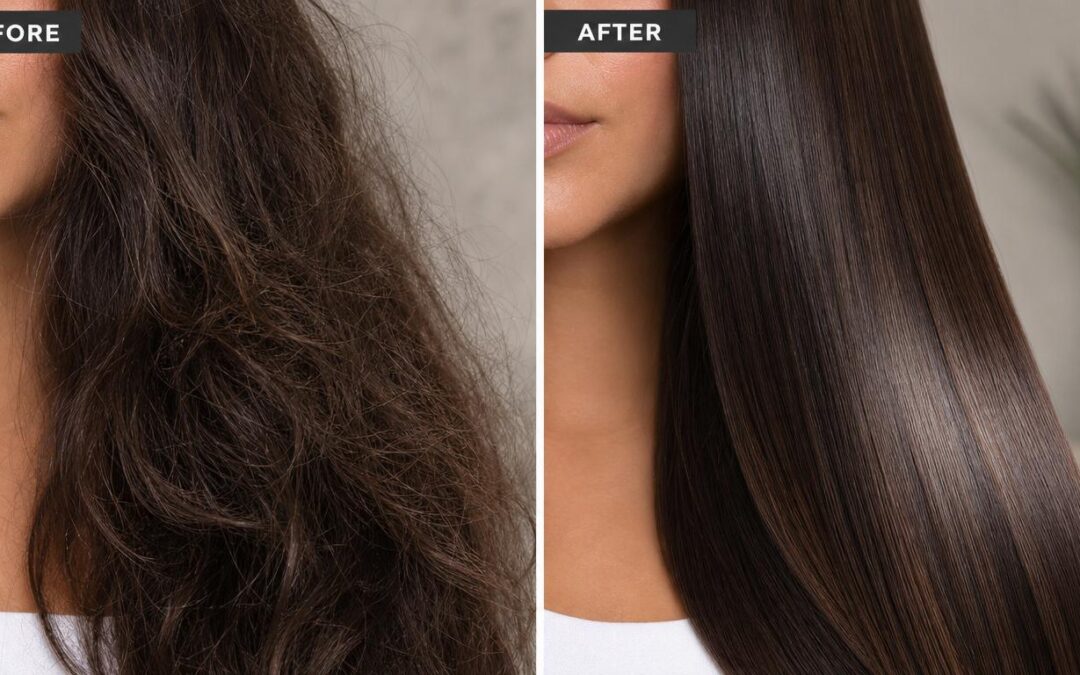
I have wavy, slightly porous hair, which means for most of my twenties a humid day and I were not friends. I’d flat-iron it sleek, step outside, and within about ninety seconds I’d have a soft frizzy halo and a sinking feeling. What finally changed things wasn’t a miracle product — it was understanding why my hair was doing it, and then working with that instead of against it. Once I did, frizz stopped being a daily battle.
Here’s the encouraging bit: frizz is almost always a sign of thirsty hair, which makes it very fixable. With the right habits and a few clever tricks, you can keep your hair smooth and soft even on the muggiest days. Below are eleven things that genuinely work for me, no chemistry degree required — though I’ll explain just enough of the science to make them stick.
Why Humidity Causes Frizz (the Quick Science)
A little science, because it made everything click for me: your hair is full of tiny bonds that respond to water in the air. When hair is dry or damaged, the cuticle — the outer layer — sits raised and porous. On a humid day, that open, thirsty cuticle drinks moisture straight out of the air, so the strands swell, lift, and frizz. The fix is two-pronged: keep your hair deeply hydrated from within, and seal the cuticle so the outside moisture can’t get in.
This is also exactly why dry, damaged, and color-treated hair frizzes more than healthy hair — the more porous the strand, the thirstier it is for that humid air. The empowering flip side, and the thing that turned it around for me, is that as your hair gets healthier and better moisturised it becomes naturally frizz-resistant. Every trick below works toward one of those two goals: hydrate, or seal.
1. Hydrate With a Weekly Mask
Well-hydrated hair has no reason to grab moisture from the air, which is why a weekly deep-conditioning mask is my single most powerful anti-frizz move. It keeps the cuticle satisfied so it lies flat and smooth. I concentrate it on the mid-lengths and ends, where my dryness and frizz always cluster, and leave it on under a shower cap so my body heat helps it sink in.
2. Rinse With Cool Water
I finish every wash with a cool-water rinse, even when I don’t want to in winter. Cool water encourages the cuticle to lie flat, which locks in moisture and shine and leaves a smooth surface that shrugs off humidity. Hot water does the opposite — it lifts the cuticle and basically rolls out a welcome mat for frizz — so I turn the temperature down for the last thirty seconds.
3. Apply Product to Soaking Wet Hair
This was the mistake that cost me years. Always apply your leave-in, cream, or serum to drenched hair, not towel-dried damp hair. Doing it while the hair is soaking traps the water inside the strand and helps the product spread evenly, sealing in hydration before the air can steal it. Applying to half-dry hair is the number one reason a product seems to suddenly “stop working.”
4. Seal With a Few Drops of Oil
A lightweight oil — argan, jojoba, or a smoothing serum — worked through the mid-lengths and ends acts like a raincoat for your hair, sealing the cuticle and keeping humidity out. A little really does go a long way; I start with one or two drops warmed between my palms and only add more if my ends still look thirsty. Too much and you tip from sleek into greasy.
Frizz isn’t a personality flaw in your hair — it’s a thirst signal. Hydrate and seal, and your strands smooth right out.
5. Stop Touching Your Hair
I’m a chronic hair-fiddler, so this one was hard. Every time you run your fingers through your hair you disrupt the cuticle and invite frizz, so the rule is: style it, then leave it alone. It’s the simplest and most overlooked trick of all, and it’s completely free — on humid days I genuinely have to sit on my hands.
6. Swap Your Towel for Microfiber or a Cotton Tee
Rough terry towels rough up the cuticle and create instant frizz. Instead, gently squeeze — never rub — your hair with a microfiber towel or a soft old cotton t-shirt. This single swap made a visible difference to my waves; the t-shirt trick in particular is a favourite in the curly-hair world for a reason.
7. Dry Fully Before You Head Out
Damp hair keeps absorbing humidity and frizzing as it air-dries outside, so I make sure mine is completely dry — whether air-dried or blow-dried on cool — before I face the elements. Stepping into muggy air with half-dry hair is a guaranteed recipe for puff, and I learned that one walking to work too many times.
8. Add an Anti-Humidity Layer
A light mist of anti-humidity or “frizz-shield” hairspray lays down an invisible barrier against moisture. I look for products specifically labelled humidity-resistant for the worst days and mist lightly from a distance, so my hair stays soft rather than crunchy. It’s the finishing step I add only when the forecast is genuinely tropical.
9. Embrace Protective and Heatless Styles
On the most humid days I stop fighting and work with the weather. Braids, buns, and slicked-back styles keep frizz contained and look completely intentional — far better than losing a battle with a flat iron that won’t hold past breakfast anyway. Some of my favourite hair days are actually the ones I gave up and braided it.
10. Sleep on Silk
A silk or satin pillowcase cuts the friction that roughs hair up overnight, helping it hold onto moisture so you wake smoother. I pair mine with a loose braid or a high “pineapple” for next-level protection while I sleep — it’s the laziest frizz fix on this list and one of the most effective.
11. Don’t Over-Wash
Washing too often strips the natural oils that keep hair smooth and protected, which ironically makes frizz worse. I’ve settled on two or three washes a week so my strands stay naturally conditioned and far calmer, and a little dry shampoo at the roots bridges the in-between days.
Frizz-Fighting Ingredients to Look For
The right ingredients make smoothing much easier, so I scan the label before buying. Humectants like glycerin and hyaluronic acid pull moisture into the strand (brilliant in moderate climates, though on very humid days you may want less of them). Natural oils and butters — argan, coconut, jojoba, shea — seal the cuticle and block moisture out. Silicones add slip and a glassy finish, genuinely useful on the frizziest days. And proteins help strengthen and smooth porous, damaged hair. Match the ingredients to what your hair actually needs and you’ll get far more from your routine.
Frizz Fixes by Hair Type
The principles are universal but a little customising helps. Fine hair needs lightweight products — a spray oil or light serum — so it isn’t dragged down. Thick or coarse hair can take, and craves, richer creams and heavier oils to stay sealed. Curly and wavy hair loves the “praying hands” method (smoothing product over the hair between flat palms) plus gentle scrunching to coax definition rather than fluff. And color-treated hair needs extra moisture, since processing leaves it more porous and frizz-prone. Match your products to your texture and the difference is dramatic.
My Simple Anti-Frizz Routine
You don’t need all eleven at once — I certainly don’t on a normal day. My reliable combination is: deep condition weekly, apply leave-in and a drop of oil to soaking-wet hair, rinse cool, dry fully, and sleep on silk. On the worst days I add the anti-humidity spray and keep my hands firmly out of my hair. That handles the vast majority of summer frizz, and the other tricks are there for when the forecast turns truly swampy.
What I’d Tell a Friend
Humidity doesn’t have to win. Once you see frizz for what it really is — a hydration story — the whole thing gets simple: keep your hair deeply moisturised, seal the cuticle, and protect it from friction and the elements.
Pick a few of these to start with this week and watch your hair go from frizzy halo to smooth and touchable, even on the stickiest days. Mine did, and I no longer dread the weather forecast.