
I happily switch my skincare the moment the air turns crisp — heavier moisturiser, richer everything — but for years it never occurred to me to do the same for my hair. Then one October I couldn’t work out why my hair was simultaneously full of static, dry at the ends, and dull all over, despite doing nothing differently. The answer was exactly that: I was doing nothing differently, while the season had completely changed. Your hair, like your skin, needs different things in cold dry air than it does in humid summer heat.
After months of sun, chlorine, and salt, your hair is probably a little worse for wear heading into fall — and the cooler, drier air brings its own challenges. The good news is that a thoughtful seasonal switch can repair summer’s damage and protect against autumn’s dryness at the same time. Here’s exactly how I make the change.
Why Your Hair Needs a Seasonal Switch
Summer and fall stress hair in opposite ways, which is the whole reason a switch matters. Summer brings humidity (frizz) plus drying UV, chlorine, and salt. Fall brings cooler, drier air and indoor heating that pull moisture straight out of your hair, leading to dryness, static, and an unhappy scalp — all on top of the accumulated summer damage you’re already carrying. So the autumn goals are clear: repair what summer did, and lock in moisture against the drying air ahead.
Step 1: Repair Summer’s Damage First
Before building new habits, I deal with the existing damage so I’m starting from a clean slate:
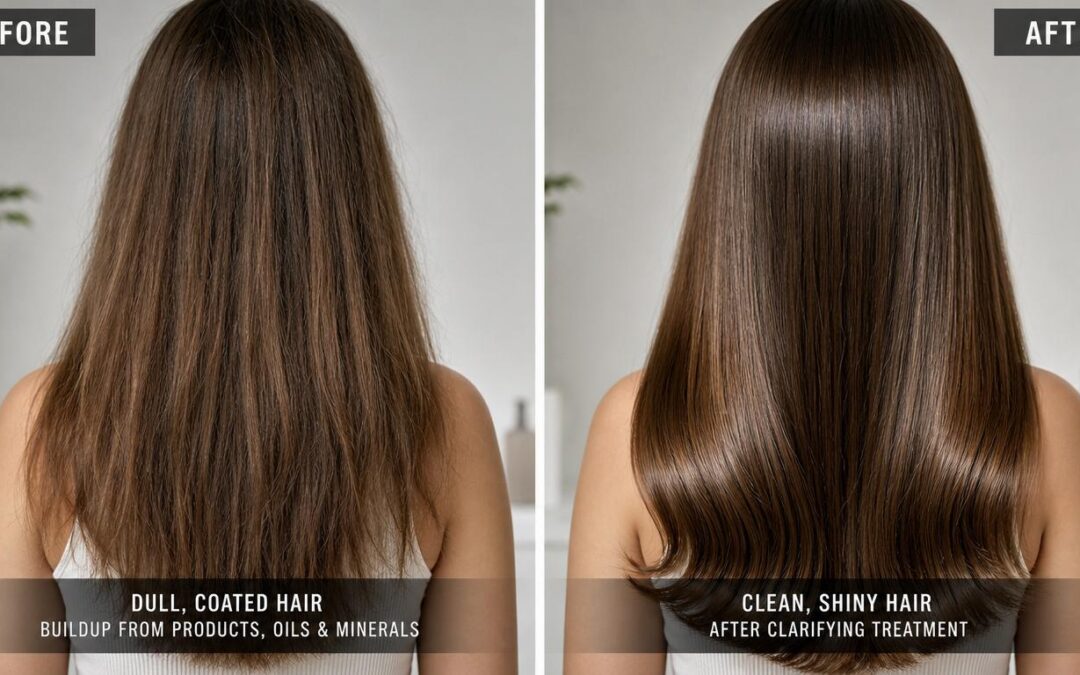
- Clarify once to lift built-up chlorine, minerals, and product residue from the season.
- Get a trim to clear the dry, split ends before they travel up the strand.
- Do a deep repair treatment — a hydrating mask, plus a protein treatment if your hair feels weak or stretchy.
This reset gives you a genuinely healthy foundation to build the autumn routine on, rather than layering new products over summer’s wreckage.
Step 2: Switch to More Hydrating Products
The lightweight, volumising, or anti-humidity products that served you all summer often fall flat in dry fall air — that was my October mistake exactly. As you make the switch, reach for richer, more nourishing formulas:
- A more moisturising shampoo and conditioner to counter the drier air.
- A richer leave-in or hair oil to seal in moisture and tame static.
- A weekly hydrating mask kept firmly in the routine through the cold months.
- A nourishing scalp treatment if you tend toward dryness or flaking in fall.
Think of your hair like your skin — as the air gets drier, it needs richer moisture. The same logic that moves you from gel to cream applies to your strands.
Step 3: Don’t Forget Your Scalp
Fall’s dry air and indoor heating leave my scalp tight and occasionally flaky if I ignore it, and a healthy scalp is the foundation of healthy hair. So I give it attention now: massage it to boost circulation, use a gentle exfoliating scalp treatment now and then, and add a few drops of a nourishing oil when it feels dry. If you notice more shedding as the season turns, try not to panic — some seasonal shedding in autumn is completely normal and usually settles on its own within a few weeks.
Step 4: Adjust Your Styling Habits
Styling shifts with the season too. Static and dryness replace summer’s frizz, so a little oil or an anti-static trick becomes your friend. I always use a heat protectant as I go back to blow-drying on chilly mornings, and I never leave the house with wet hair in cold weather — it makes hair far more prone to breakage. I also keep leaning on protective, low-heat styles to give my recovering hair a proper break.
Common Fall Hair Problems (and Fixes)
Autumn brings a few predictable headaches, and each has a simple fix. Static and flyaways appear as the air dries — tame them with a little oil on the ends, a silk pillowcase, and an anti-static spray (or a dryer sheet smoothed over the surface in a pinch). A dry, flaky scalp responds to gentle exfoliation and a nourishing scalp oil. Increased shedding is usually normal seasonal shedding that passes, helped along by a healthy diet and gentle handling. And dullness from summer damage lifts with a clarifying wash, a deep mask, and a cool-water rinse to bring shine back. Name the problem, apply the fix, and fall hair gets easy.
Products to Add and Retire
A seasonal switch is the perfect moment to edit your hair shelf. Retire for now: clarifying shampoos used too often, strong anti-humidity sprays, sea-salt texturisers, and lightweight summer formulas that feel drying in cold air. Bring in: a creamy moisturising shampoo and conditioner, a richer leave-in, a nourishing hair oil, an anti-static option for staticky days, and a hydrating mask for weekly use. You don’t have to buy it all at once — I just swap my most-used products first and replace the rest as the summer bottles run out.
Your Transition Checklist
- Clarify once to remove summer buildup.
- Trim away dry, damaged ends.
- Switch to richer, more hydrating products.
- Keep up a weekly hydrating mask.
- Show your scalp some extra love.
- Protect against heat and avoid cold-weather wet hair.
What I’d Tell a Friend
Switching your routine from summer to fall is one of the kindest things you can do for your hair. Repair summer’s damage first, then move to richer, more hydrating products, and you’ll protect your strands against autumn’s drying air while keeping them soft, shiny, and strong.
Take a little time this week to reset and refresh, and your hair will reward you with its healthiest season yet. Ever since that staticky October taught me the lesson, autumn has actually become one of my best hair seasons — here’s to sweater weather and great hair days both.