
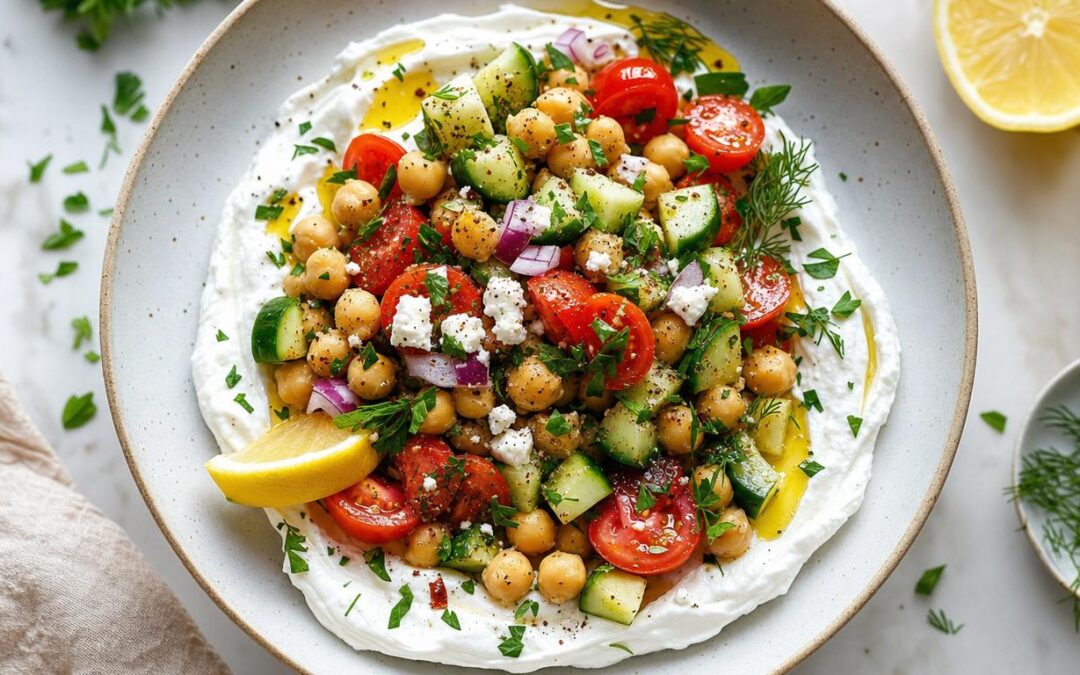
There’s a particular kind of misery in standing over a hot stove when it’s still 28°C at eight in the evening, and I’ve felt it enough times to swear it off. A few summers ago I made a rule for myself: on the hottest nights, dinner happens with a knife and a cutting board, not the oven. It forced me to get creative, and the funny thing is these no-cook and barely-cook dinners are now ones I crave even when it isn’t sweltering. Here are the ten I come back to all summer.
I’ve written each with exact amounts, the steps in order, a pro tip, and a rough calorie and protein count, because “light” should never mean “hungry again by nine.” The trick is leaning on crisp produce, a real protein, and bright, zesty flavours that feel refreshing rather than heavy.
What Makes a Light Dinner Actually Satisfying
I learned this the hard way after a few nights of eating beautiful little salads and then raiding the cupboard at ten. A light summer dinner still needs balance: fresh seasonal produce, a satisfying protein like beans, eggs, canned fish, grilled chicken, or cheese, and a healthy fat such as avocado, olive oil, or nuts. Hit that combination and “light” genuinely keeps you full. Skip the protein and you’ve made a snack, not a dinner.
10 Light Summer Dinners
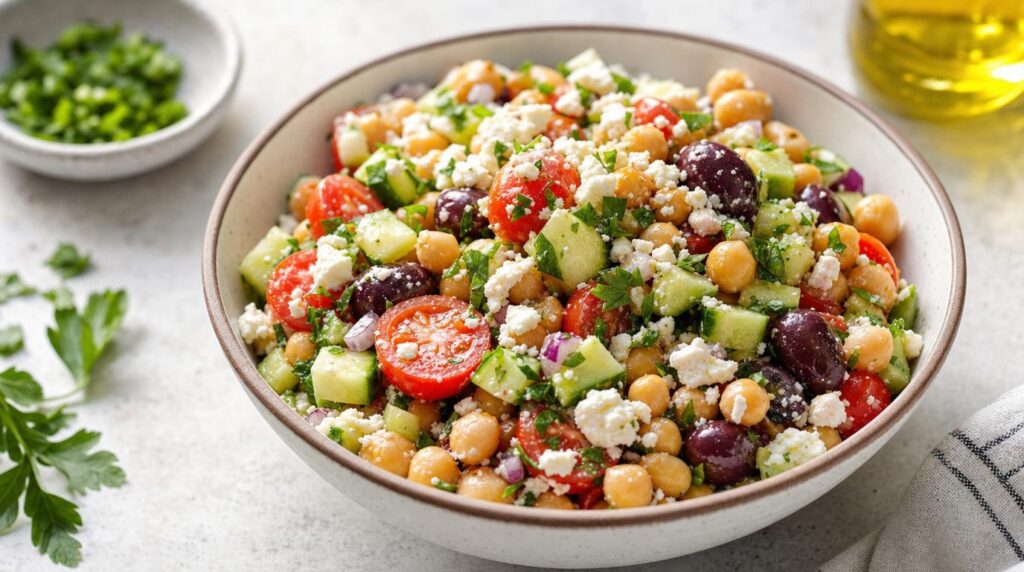
1. Greek Chickpea Salad Bowl
This is my default “it’s too hot to think” dinner, and I keep cans of chickpeas in the cupboard for exactly these nights. It needs no cooking at all and somehow tastes better the longer it sits while I pour a cold drink. It’s the one I make most across the whole summer.
Ingredients (serves 2): 1 can (400 g) chickpeas · 1 cucumber, diced · 2 tomatoes, chopped · 1/2 red onion · 1/2 cup olives · 100 g feta · 3 tablespoons olive oil · juice of 1 lemon · oregano.
How I make it: Combine everything but the dressing in a bowl. Whisk the oil, lemon, and oregano, pour over, toss, and let it sit 10 minutes.
Pro tip: Give it that ten-minute rest before eating. The chickpeas and onion mellow and soak up the lemon, and it goes from fine to genuinely delicious.
Nutrition (per serving, approximate): 420 kcal · 16 g protein · 34 g carbs · 25 g fat.
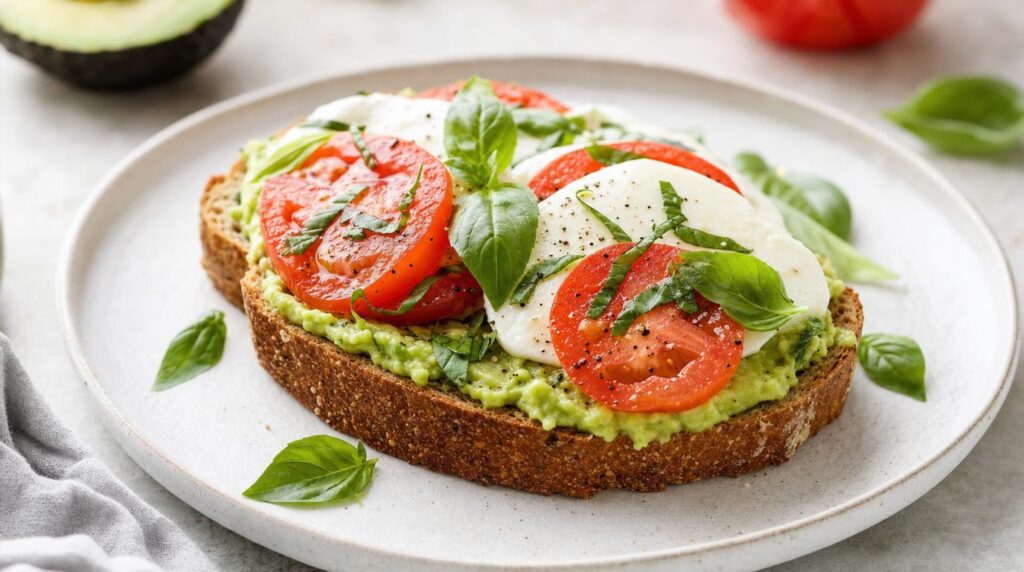
2. Caprese Avocado Toast
This started as a lazy lunch and got promoted to dinner the night I added mozzarella and realised it was plenty. It takes five minutes and feels far more elegant than the effort suggests. I make it when I want something that feels a bit special but requires nothing of me.
Ingredients (serves 2): 4 slices crusty whole-grain bread · 1 avocado · 150 g fresh mozzarella · 2 ripe tomatoes · fresh basil · balsamic glaze · salt.
How I make it: Toast the bread, mash the avocado over it with a little salt, then layer sliced mozzarella, tomato, and basil. Finish with balsamic glaze.
Pro tip: Salt the tomato slices on a piece of kitchen paper for a few minutes first. It draws out excess water so your toast stays crisp instead of going soft underneath.
Nutrition (per serving, approximate): 420 kcal · 18 g protein · 36 g carbs · 24 g fat.
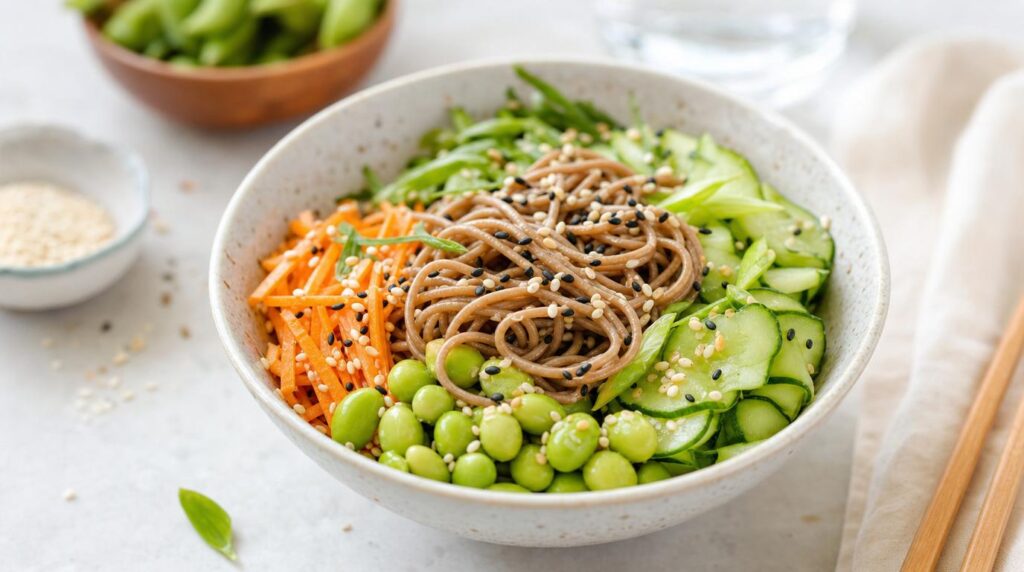
3. Cold Soba Noodle Bowl
I fell for cold noodles on a trip to Japan, where they’re a sensible answer to a humid summer, and I’ve made versions of this ever since. The only cooking is boiling the noodles for a few minutes, which I do early before the kitchen heats up. Served straight from the fridge, it’s the most cooling dinner I know.
Ingredients (serves 2): 200 g soba noodles · 1 cucumber, julienned · 1 cup edamame · 1 carrot, grated · sauce: 2 tablespoons soy, 1 tablespoon sesame oil, 1 teaspoon grated ginger, 1 teaspoon honey.
How I make it: Cook the soba, then rinse under cold water until completely cool. Toss with the vegetables and the whisked sesame-ginger sauce.
Pro tip: Rinse the soba thoroughly under cold running water and rub the noodles gently. It washes off the starch that makes them gummy and keeps them silky and separate.
Nutrition (per serving, approximate): 380 kcal · 16 g protein · 58 g carbs · 9 g fat.
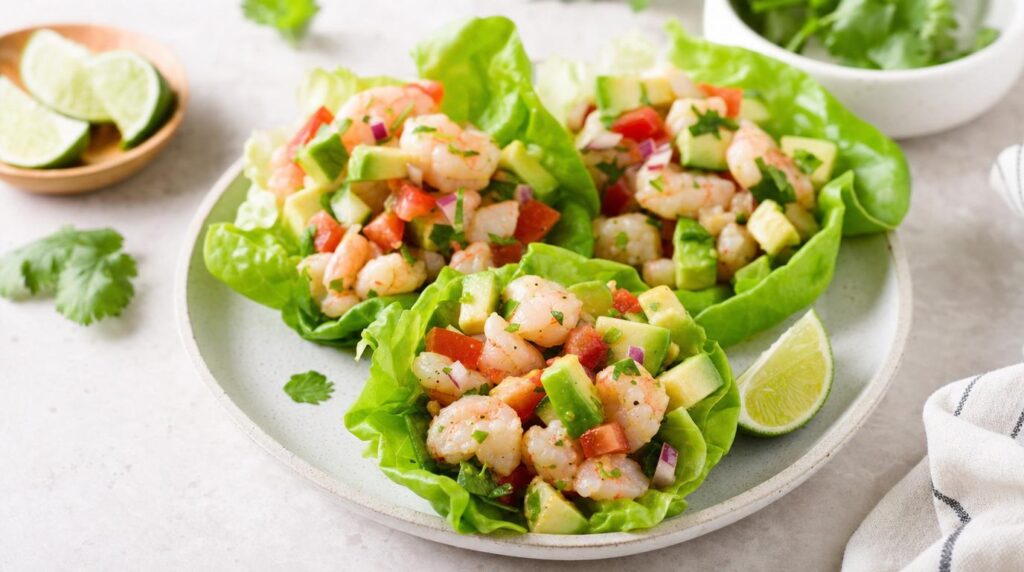
4. Shrimp Ceviche Lettuce Cups
I use cooked shrimp here rather than raw, which makes this a safe, no-cook version of a dish I adore. It feels light and restaurant-special at once, and the lime makes the whole thing taste alive. I serve it when I want dinner to feel a little bit of an occasion without any effort.
Ingredients (serves 2): 250 g cooked shrimp, chopped · juice of 2 limes · 1 tomato, diced · 1/2 avocado · 1/4 red onion · cilantro · 1 head little gem lettuce.
How I make it: Toss the shrimp with the lime juice and let it sit 10 minutes. Fold in the tomato, avocado, onion, and cilantro, then spoon into lettuce cups.
Pro tip: Use already-cooked shrimp and let the lime “brighten” rather than cook them. Ten minutes is enough; any longer and they turn tough and chalky.
Nutrition (per serving, approximate): 250 kcal · 26 g protein · 12 g carbs · 11 g fat.
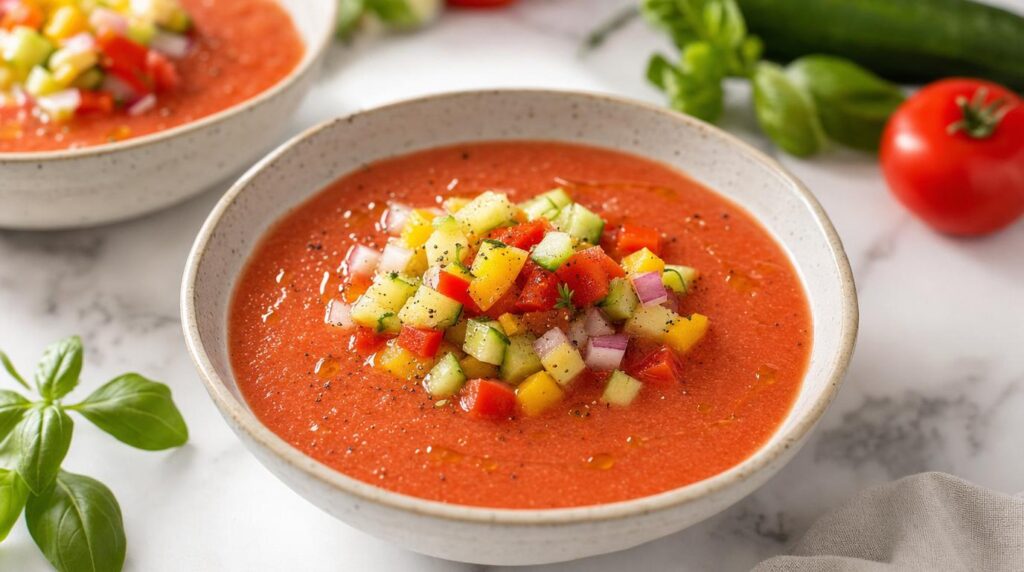
5. Summer Gazpacho
The first time I had real gazpacho was in Seville in August, where it made total sense as the only thing you’d want to eat in that heat. Mine is a blender job that takes minutes, and it’s the most refreshing dinner imaginable on a stifling night. I make a big jug and keep it cold for a couple of days.
Ingredients (serves 4): 6 ripe tomatoes · 1 cucumber · 1 red pepper · 1 garlic clove · 3 tablespoons olive oil · 1 tablespoon sherry vinegar · salt · to serve: diced veg and croutons.
How I make it: Roughly chop the vegetables, blend with the garlic, oil, vinegar, and salt until smooth, then chill for at least an hour. Top with diced veg and croutons.
Pro tip: Make it several hours ahead, or the night before. Gazpacho tastes flat warm and only really comes alive once it’s properly cold and the flavours have settled.
Nutrition (per serving, approximate): 160 kcal · 3 g protein · 14 g carbs · 11 g fat.
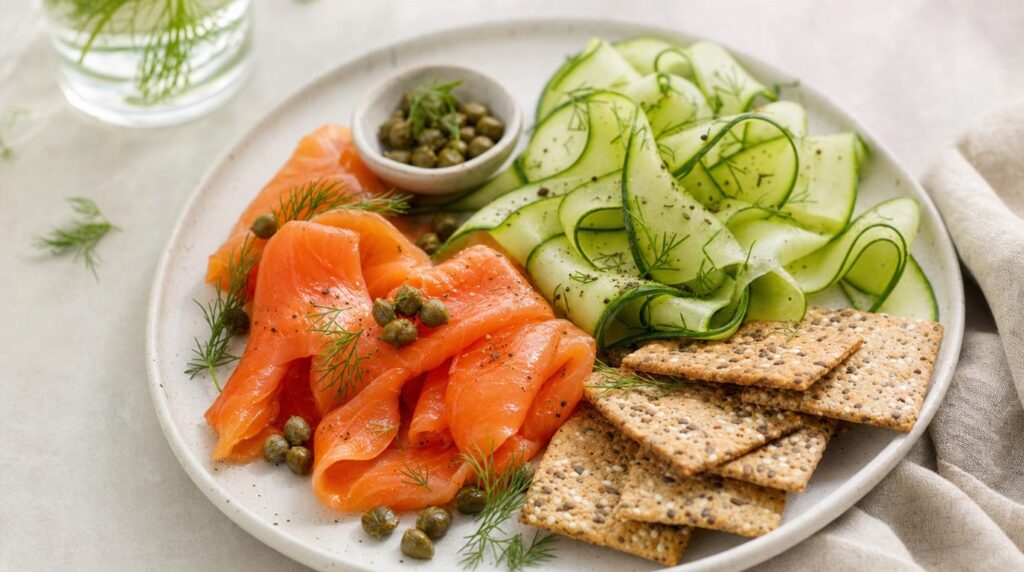
6. Smoked Salmon and Cucumber Plate
This is my “I want dinner to feel a bit fancy but I’m doing nothing” plate, and it comes together in the time it takes to lay things out. I started making it for late summer evenings with a glass of something cold on the balcony. It feels indulgent while being genuinely light and full of protein.
Ingredients (serves 2): 150 g smoked salmon · 1 cucumber, ribboned · 4 tablespoons cream cheese or thick Greek yogurt · 1 tablespoon capers · whole-grain crackers · lemon and dill.
How I make it: Arrange the salmon, cucumber ribbons, and a dollop of cream cheese or yogurt on a board. Scatter over capers and dill, and serve with crackers and lemon.
Pro tip: Use a vegetable peeler to make long cucumber ribbons. They feel far more elegant than chunks and soak up the lemon and dill beautifully.
Nutrition (per serving, approximate): 320 kcal · 24 g protein · 20 g carbs · 16 g fat.
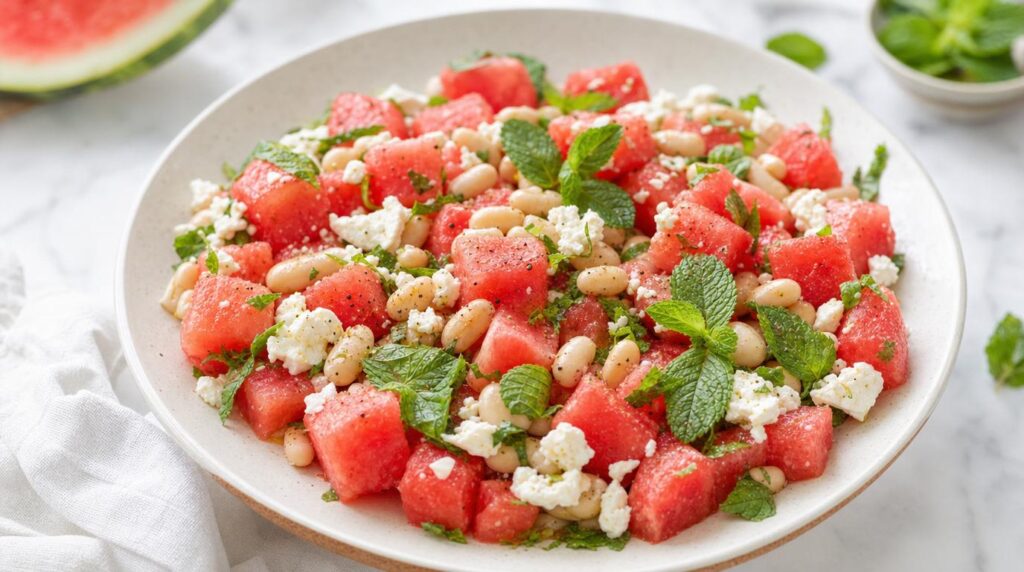
7. Watermelon, Feta, and White Bean Salad
I added white beans to my beloved watermelon-feta salad one evening purely to make it filling enough for dinner, and it worked better than I expected. The sweet, salty, creamy combination is one of my favourite things about summer. It’s become a dish people are surprised by and then ask for.
Ingredients (serves 2): 4 cups cubed watermelon · 100 g feta · 1 can (400 g) white beans · a handful of mint · juice of 1 lime · 2 tablespoons olive oil.
How I make it: Gently combine the watermelon, beans, and torn mint. Crumble over the feta, then dress with lime and olive oil just before serving.
Pro tip: Dress and assemble this at the last minute. Watermelon releases a lot of juice once it’s salted by the feta, so it doesn’t keep well once mixed.
Nutrition (per serving, approximate): 340 kcal · 14 g protein · 36 g carbs · 16 g fat.
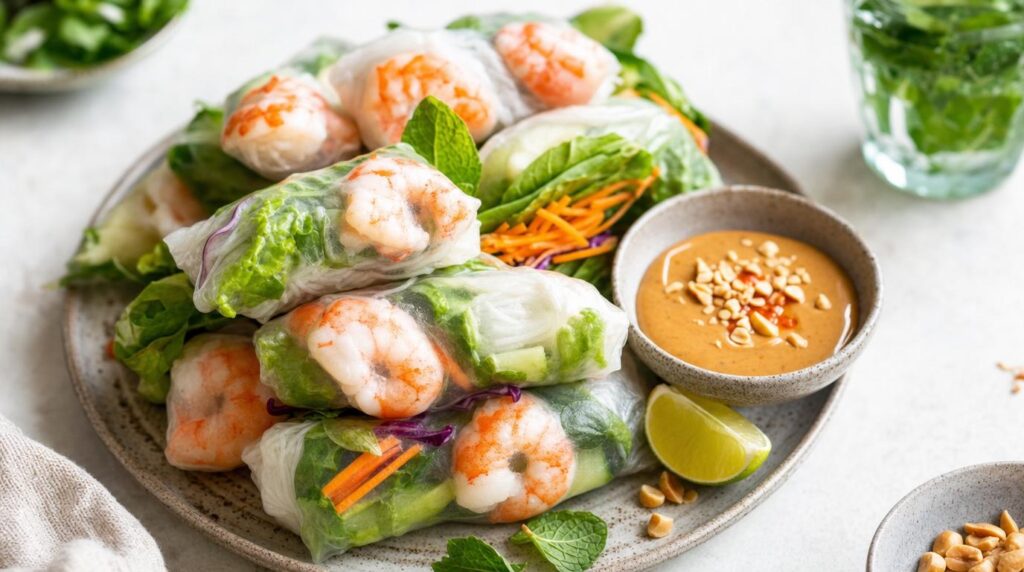
8. Fresh Summer Rolls with Peanut Sauce
Rolling these is a small ritual I find weirdly relaxing on a warm evening, often with a podcast on. My first attempts tore constantly, but now I can turn them out quickly, and the peanut sauce keeps everyone dipping. They’re light, cooling, and the dinner my plant-based friends are always happy to see.
Ingredients (serves 2, makes 8): 8 rice paper wrappers · 150 g cooked shrimp or tofu · 100 g cooked vermicelli · 1 carrot · 1 cucumber · mint and cilantro · sauce: 3 tablespoons peanut butter, 1 tablespoon soy, lime, water.
How I make it: Soften one wrapper in warm water for 10 seconds, fill with a little of everything, fold the sides, and roll tightly. Serve with the whisked peanut sauce.
Pro tip: Keep a damp tea towel on your board and rest the rolls on it. They’re sticky and tear if they sit on a dry surface or touch each other on the plate.
Nutrition (per serving, approximate): 360 kcal · 20 g protein · 42 g carbs · 13 g fat.
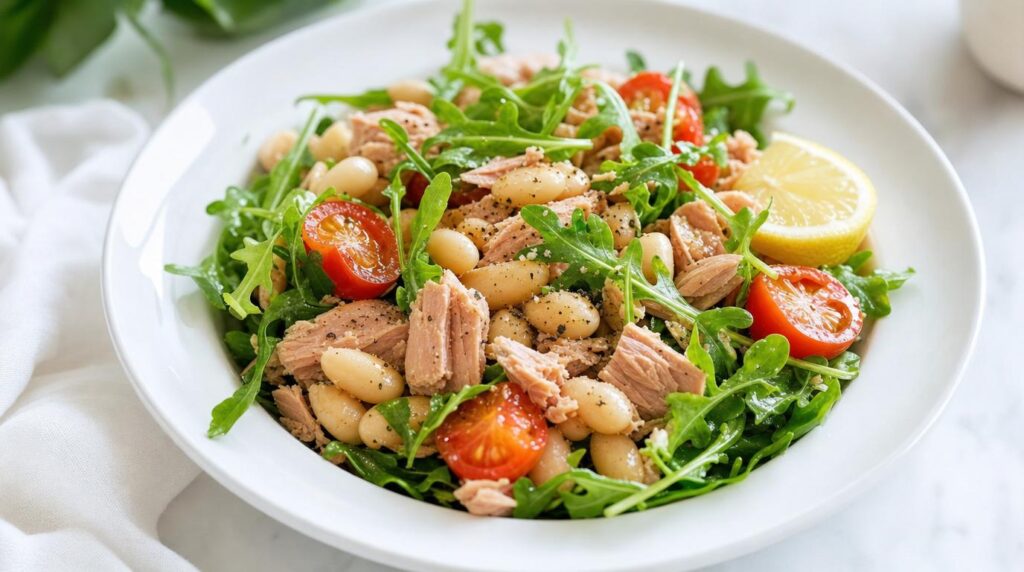
9. Mediterranean Tuna and White Bean Plate
This is my pantry rescue dinner, the one I assemble when the fridge is bare but I still want something real. Two cans, a lemon, and a handful of leaves, and I’m eating in five minutes. It comes from a simple Italian antipasto I had years ago and never stopped making.
Ingredients (serves 2): 1 can (160 g) tuna in olive oil · 1 can (400 g) white beans · 2 cups arugula · 1 cup cherry tomatoes · 1/4 red onion · juice of 1/2 lemon · 2 tablespoons olive oil.
How I make it: Fold the beans, tuna, and soaked onion together, dress with lemon and oil, and serve over the arugula and tomatoes.
Pro tip: Spoon a little of the tuna’s olive oil into the dressing instead of throwing it away. It’s full of flavour and means you need less added oil.
Nutrition (per serving, approximate): 380 kcal · 28 g protein · 28 g carbs · 16 g fat.
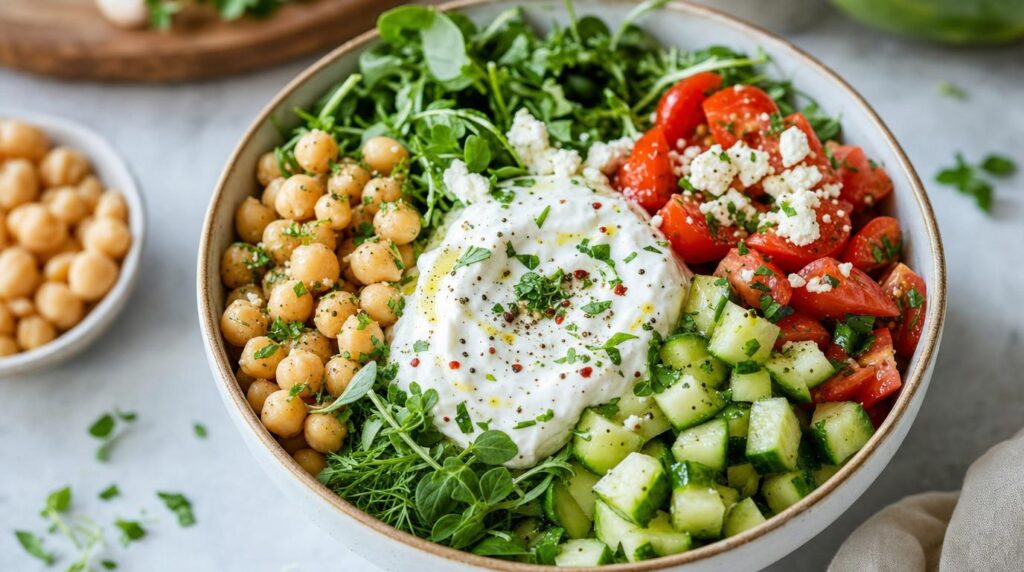
10. Loaded Greek Yogurt Veggie Bowl
Savoury yogurt bowls sounded strange to me until a friend served one, and now I’m slightly evangelical about them. It’s the quickest high-protein dinner I make, ready in about three minutes, and endlessly adaptable to whatever’s in the fridge. The za’atar is what lifts it from plain to genuinely moreish.
Ingredients (serves 1): 1 cup thick Greek yogurt · 1/2 cucumber, diced · 1/2 cup cherry tomatoes · 1/2 cup chickpeas · 1 tablespoon olive oil · herbs · 1 teaspoon za’atar.
How I make it: Spread the yogurt across a shallow bowl, pile the cucumber, tomatoes, and chickpeas on top, drizzle with olive oil, and finish with herbs and za’atar.
Pro tip: Season the yogurt itself with a pinch of salt before you top it. Unseasoned, it tastes like breakfast; salted, it becomes a proper savoury base for dinner.
Nutrition (approximate): 340 kcal · 24 g protein · 26 g carbs · 16 g fat.
How I Keep Hot-Night Dinners Effortless
The reason these come together so fast is a bit of groundwork and a few habits I’ve fallen into over the summers:
- Prep produce ahead — wash and chop vegetables when it’s cool so dinner is pure assembly.
- Keep proteins ready — canned fish, beans, eggs, and pre-cooked chicken mean instant, no-cook protein.
- If you must cook, do it early — boil the soba or the eggs in the morning and serve chilled at night.
- Use the grill when you want something hot — it keeps the heat out of the kitchen entirely.
- Brighten with acid and herbs — lemon, lime, vinegar, and fresh herbs are what make light food taste vivid rather than plain.
Eating Well When It’s Too Hot to Cook
I no longer see hot evenings as a dinner problem — they’re just a nudge toward the fresh, simple food I enjoy most anyway. These ten prove you never have to choose between staying cool and eating well, and most of them ask nothing more of you than a knife and a cutting board.
Keep your fridge stocked with fresh produce and a few easy proteins, and pick whatever suits the night. If you only try two, I’d start with the Greek chickpea bowl and the gazpacho — between them they cover the hungriest and the hottest evenings.